

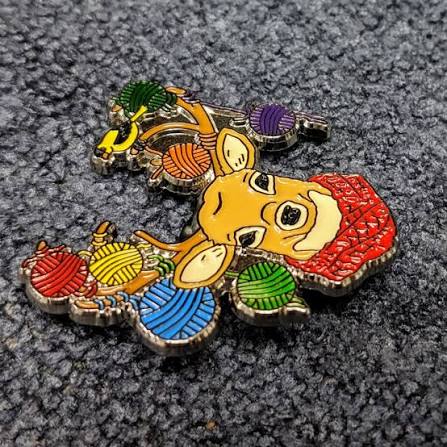
Custom patches also have this nice middle ground thing going on. They feel more premium than a sticker, less permanent than embroidery straight onto a garment, and way easier to swap out when a name, role, sponsor, or mood changes.
Below are six less obvious ways they can use custom patches, without falling into the usual predictable lane.
How can custom patches make “temporary” branding look legit?
Pop-ups, short-term campaigns, seasonal staff, brand activations. The problem is always the same. They need everyone to look on brand, but they do not want to commit to printing or embroidering a stack of garments that will be useless in a month.
That is where custom patches do their best work. They can order a batch, attach them to aprons, jackets, tote bags, even caps, and suddenly the whole set-up looks intentional. Not thrown together.
And when the campaign ends, they remove the custom patches and reuse the base items for the next event. That is a real cost saver. A £12 apron stays a £12 apron. Only the patch changes.
How can custom patches help organise gear in shared spaces?
Shared spaces get messy fast. Think gyms, dance studios, community workshops, sheds at a surf club, even kids sharing sports gear. People forget what belongs to whom. Stuff disappears. It is annoying, and it wastes time.
Custom patches can act like low-tech labels that do not look like labels. They can put custom patches on duffel bags, kit bags, gloves, water bottle sleeves, tool rolls. Anything fabric-based, really.
The upside is that custom patches are visible from a distance, which matters when a pile of identical black bags is sitting in the corner. They can also be colour-coded—one colour per group, role, or age bracket—making them quick to spot and hard to mix up. Learn more about using colour coding for group identification.
How can custom patches upgrade old clothing instead of replacing it?
There is a quiet trend happening where people would rather repair than replace, but they still want it to look good. Not like a sad fix.
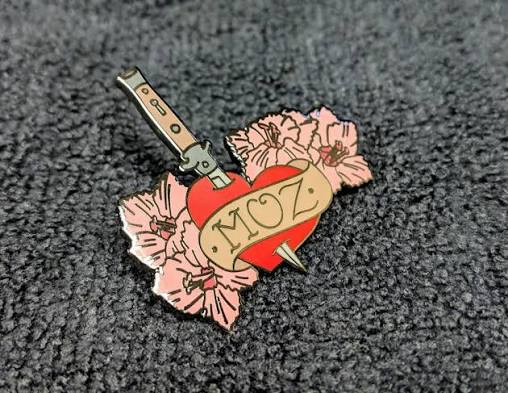
Custom patches let them cover worn elbows, small tears, stained spots, or frayed pocket corners while making it feel like a design choice. It is not just patching. It is styling.
They can even lean into it. Put custom patches on denim jackets, workwear, backpacks, and make the “fix” part of the story. Some people go minimalist. Others go loud. Both work.
And for families, this is a sneaky way to get more life out of kids’ clothes without the argument. A new patch can make an old hoodie feel new again. Same hoodie, different vibe.
How can custom patches support micro fundraising without looking tacky?
Fundraising merch can be rough. People want to support the cause, but they do not always want a huge logo across their chest.
Custom patches are a cleaner alternative. Small, collectable, easy to attach, and they do not scream. They can sell them as limited runs, event editions, or “supporter series” drops.
They can also bundle them with something useful: a patch plus a beanie, a patch plus a tote, or simply sell custom patches on their own at an easy-to-buy price point—£5, £10, or £15, depending on the audience.
And because custom patches can be designed with subtle symbols instead of giant text, supporters actually wear them. That is the whole point.
How can custom patches make internal recognition feel more meaningful?
Workplaces do employee of the month certificates, shout outs in Slack, the usual. It is fine, but it disappears.
Custom patches give recognition a physical form. Not in a cheesy way, if they design it right. It can be a small badge for “first aid”, “trainer”, “legend”, “five years”, “problem solver”. Something that sits on a jacket, a lanyard, a bag.
People like visible markers of progress. That is just human. And custom patches can be built into a simple system where they earn them over time. It is a bit like gamification, but less cringe because it is real and wearable.
For volunteer groups especially, this works brilliantly. It helps the public know who is who, and it helps the team feel seen.
How can custom patches add personality to products and packaging?
This one is oddly underused. Brands spend heaps on packaging that gets binned. Meanwhile, a patch is packaging people keep.
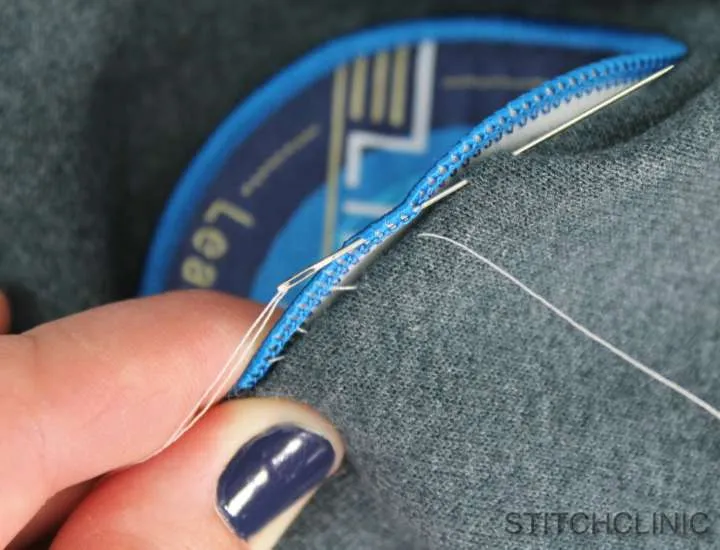
Custom patches can be attached to product wraps, hang tags, or even included as a “freebie” in the parcel. That turns unboxing into something more than cardboard and tissue paper.
For small brands, this is a smart move because custom patches feel like a bonus item, not an ad. People stick them on jackets, bags, instrument cases, pushchairs. Suddenly the brand is out in the world, but in a way that feels earned.
They can also use custom patches to create limited editions without changing the core product. Same cap, different patch. Same tote, different patch. Collectable, simple, and it avoids overcomplicating stock.
Where does that leave them?
Custom patches are not just decoration. They are flexible branding, repair, identity, and little moments of pride, all rolled into one.
If they treat custom patches like a tool rather than an accessory, they start finding uses everywhere: events, shared gear, hand-me-down clothing, fundraising, internal culture, and even packaging that does not get tossed.
And honestly, that is the fun part. Once they stop thinking of custom patches as “only for uniforms”, the ideas come quickly.