

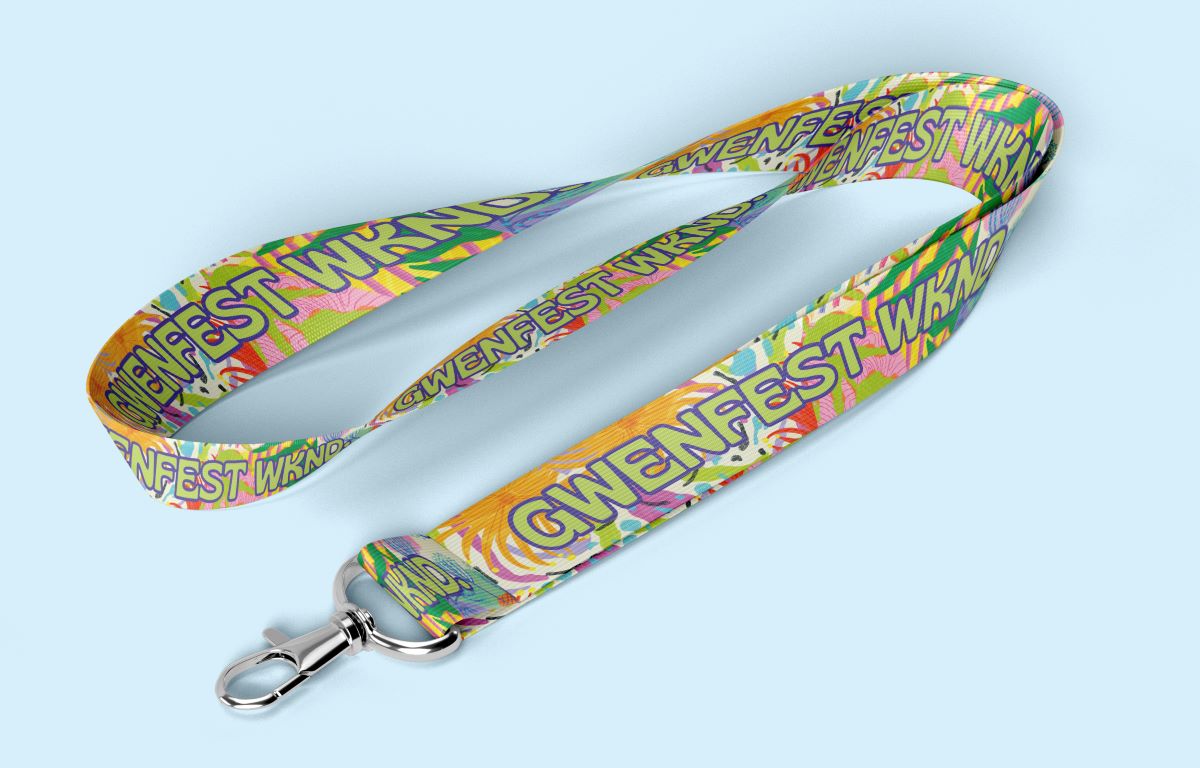
What are they using custom lanyards for?
They should state the use case first because it affects everything else. A conference registration desk needs fast scanning and clear branding, while an on-site trade needs durability.
For custom lanyards Australia, they should also mention the environment: indoors, outdoors, high heat, or wet conditions. That one line can change material choice, print method, and even clip selection.
Who will wear them, and for how long?
They should describe the wearer group and wear time in plain terms. Volunteers wearing them for one day need comfort and light weight, while staff wearing them daily need stronger webbing and hardware.
For custom lanyards in Australia, they should include any accessibility needs. For example, breakaway safety requirements or wider straps for comfort can prevent complaints later.
What strap size, material, and finish do they want?
They should specify width (for example 10mm, 15mm, 20mm, 25mm) and preferred material, such as polyester, nylon, or recycled PET. If they are unsure, they can list priorities like “soft feel” or “budget first” and let the supplier recommend options.
When ordering custom lanyards in Australia, they should also mention finish preferences such as smooth, ribbed, or satin-like. That helps match brand expectations and avoids a “not what they imagined” outcome.
What branding details should be included?
They should provide the exact logo files and brand guidelines. Vector files (AI, EPS, SVG, or print-ready PDF) reduce delays and improve sharpness.
For custom lanyards in Australia, they should include brand colours with Pantone codes where possible. If colours must match strictly, they should say so, because screen colours and printed colours rarely match perfectly without a reference.
Which print method matches the design best?
They should tell the supplier whether the design is simple or complex. Large solid logos with 1–2 colours can work well with screen printing, while gradients or photo-style artwork often need dye sublimation.
With custom lanyards in Australia, they should ask for a quick recommendation if unsure: “Which method gives the closest colour match and best durability for this artwork?” That single question can prevent a mismatch between expectations and production.
What attachments and safety features are required?
They should list the exact clip or hook type, such as swivel hook, bulldog clip, lobster clip, or trigger clip. They should also note whether they need a phone loop, badge holder slot, or a detachable buckle.
For custom lanyards in Australia, they should call out safety requirements clearly, including breakaway clips for schools, events, or workplaces that require them. If a safety standard applies, they should name it or describe their internal policy.
What quantity, packaging, and spares should they request?
They should state the total quantity and whether sizes or roles vary, such as “STAFF,” “VIP,” or “CREW.” If multiple versions are needed, they should list each variant with its quantity.
For custom lanyards in Australia, they should also request spares, usually 2–5% extra. They should specify packaging expectations too, such as bulk-packed or individually bagged, especially if they plan to distribute across multiple sites.
What timeline, approvals, and delivery details should they include?
They should provide a hard event date and a preferred delivery date that includes a buffer. They should also clarify how many proof rounds are allowed internally and who signs off the final artwork.
When ordering custom lanyards in Australia, they should include the full delivery address, site access notes, and receiving hours. If delivery must be split across locations, they should state that in the initial brief to avoid last-minute freight surprises. Discover more about the top 5 ways organisations use custom medals beyond sports events.
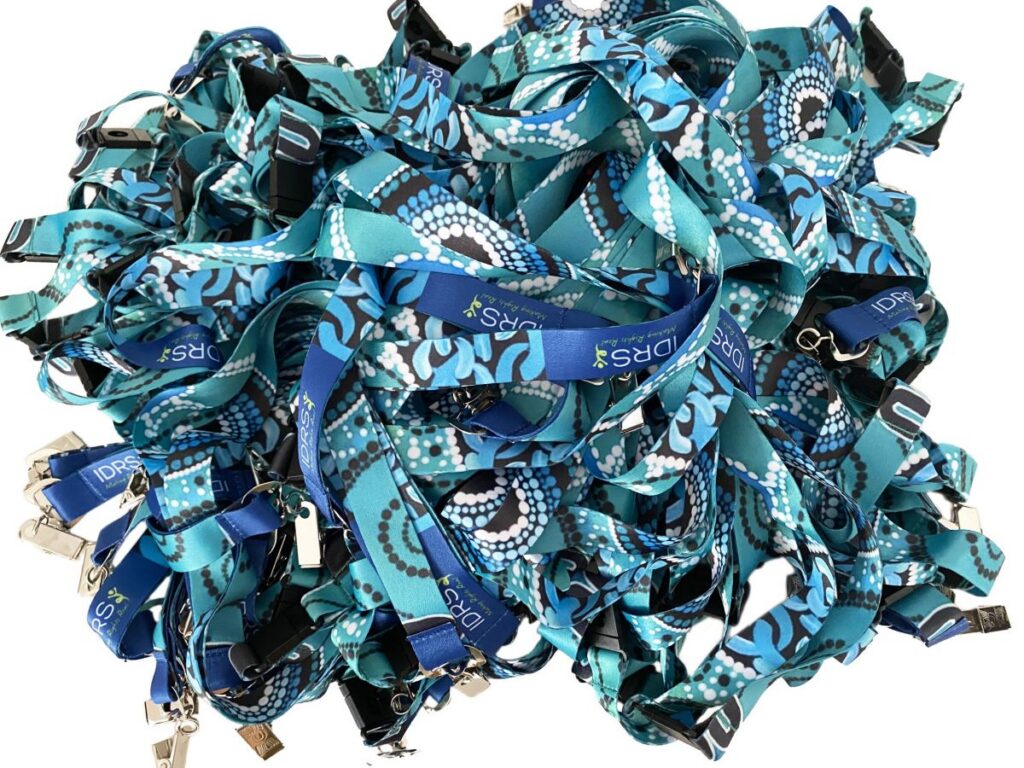
What budget range and quality expectations should they state?
They should share a realistic budget range because it guides material, print method, and hardware choices. If they cannot share a number, they can rank what matters most: colour accuracy, comfort, speed, or cost.
For custom lanyards in Australia, they should also define “quality” in practical terms, like colourfast printing, stitching strength, and clip durability. That helps the supplier quote the right build rather than the cheapest option.
What should they ask for before confirming the order?
They should ask for a digital proof that shows print area, placement, and colour notes. If the order is large or high stakes, they should request a pre-production sample or at least close-up production photos.
For custom lanyards in Australia, they should confirm key specs in writing: width, material, print method, attachments, safety features, quantity, and delivery date. A clear confirmation reduces rework, delays, and uncomfortable disputes later.
How should they structure a brief that suppliers can act on?
They should keep it skimmable and complete. For custom lanyards in Australia, a strong brief usually includes: purpose, wearer, strap width and material, artwork files, colours, print method preference, attachments, safety needs, quantities by variant, packaging, delivery details, and deadlines.
If they provide that in one message or one-page document, they usually get faster quotes, fewer back-and-forth questions, and a finished product that matches expectations for custom lanyards in Australia.
See Also : Business advertising and promotions